Oct 15, 2026Product Knowledge
Dough Scraper: The Most Versatile Bench Tool
One 430 stainless steel blade, three jobs — cutting dough, scraping the bench, transferring portions. A product-knowledge guide for B2B buyers on specs, dual-use positioning and OEM options.
Ask professional bakers which tool they reach for most during a shift, and the answer is rarely the mixer or the oven. It is the dough scraper — a simple rectangle of stainless steel that cuts, lifts and cleans its way through every stage of the working day. For importers, retail chains and e-commerce sellers, that everyday usefulness is what makes the scraper such an easy SKU to justify: a low-cost item that serves the bakery aisle and the outdoor-cooking aisle at the same time. Here is what the tool actually does, which specs matter when comparing quotations, and how to position it in your market.
One Blade, Three Jobs
The scraper earns a permanent place on the bench by doing three jobs with a single edge:
Cutting dough.The straight blade portions soft dough cleanly, dividing a batch into even pieces without tearing or dragging the way a kitchen knife can.
Scraping the bench.Dried flour and sticky residue lift off the work surface in seconds — the reason bakers also call it a bench scraper. It keeps the station clean between batches with a couple of passes.
Transferring portions.Cut dough pieces, chopped nuts or diced vegetables slide onto the flat blade and travel straight to the bowl without clinging to hands or worktops.
Very few tools in a kitchen line cover three jobs at one price point, and that ratio of function to cost is the core of the scraper's sales pitch.
The Specs That Matter: Material, Thickness, Size
Our reference model, EML-DC-S-001, shows the spec set buyers should compare:
Material: 430 stainless steel.A food-contact grade that wipes clean, resists staining and holds a straight working edge. FDA and LFGB food-contact certification is available per model.
Thickness: 1.0 mm.Stiff enough to cut through firm dough without bending, with just enough flex to hug the bench surface when scraping — the balance point for a general-purpose blade.
Blade size: 16×10 cm.Wide enough to carry a full portion of dough in one move, compact enough to store in a kitchen drawer or hang on a tool rail.
Weight: 170 g.Substantial in the hand during long prep sessions, light in the carton.
When you review supplier quotations, the material grade and the thickness are the two lines that drive both price and durability. Confirm both in writing before the order is placed.
From Bakery Bench to Griddle: The Dual-Use Story
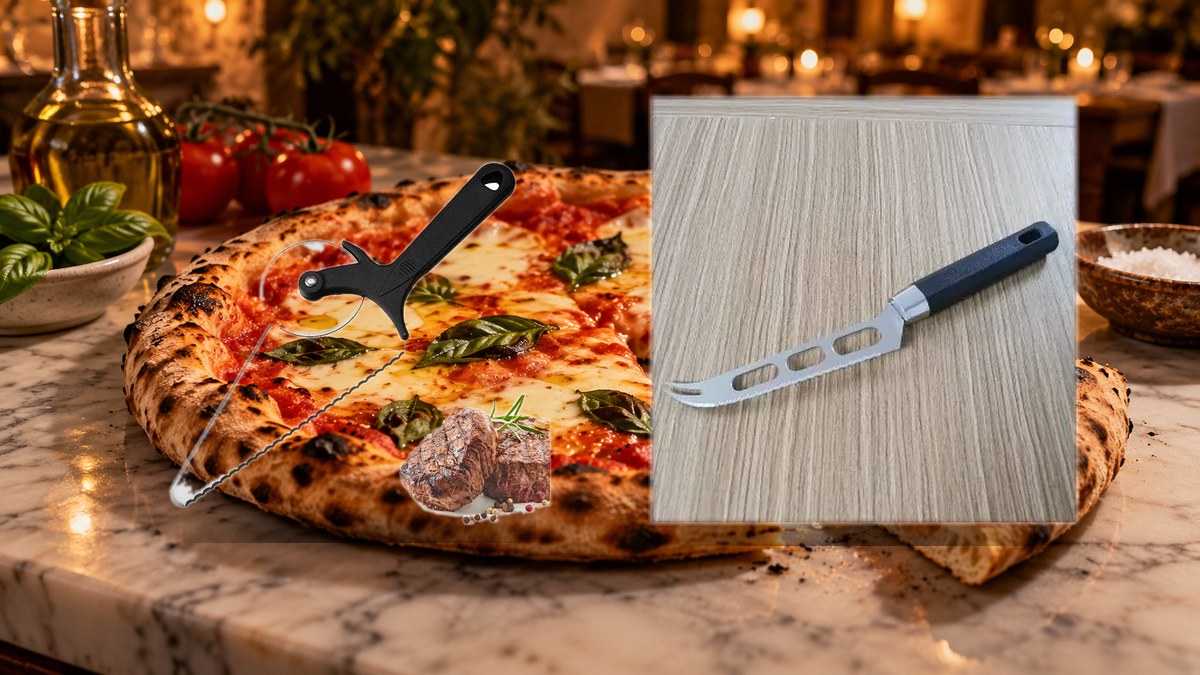
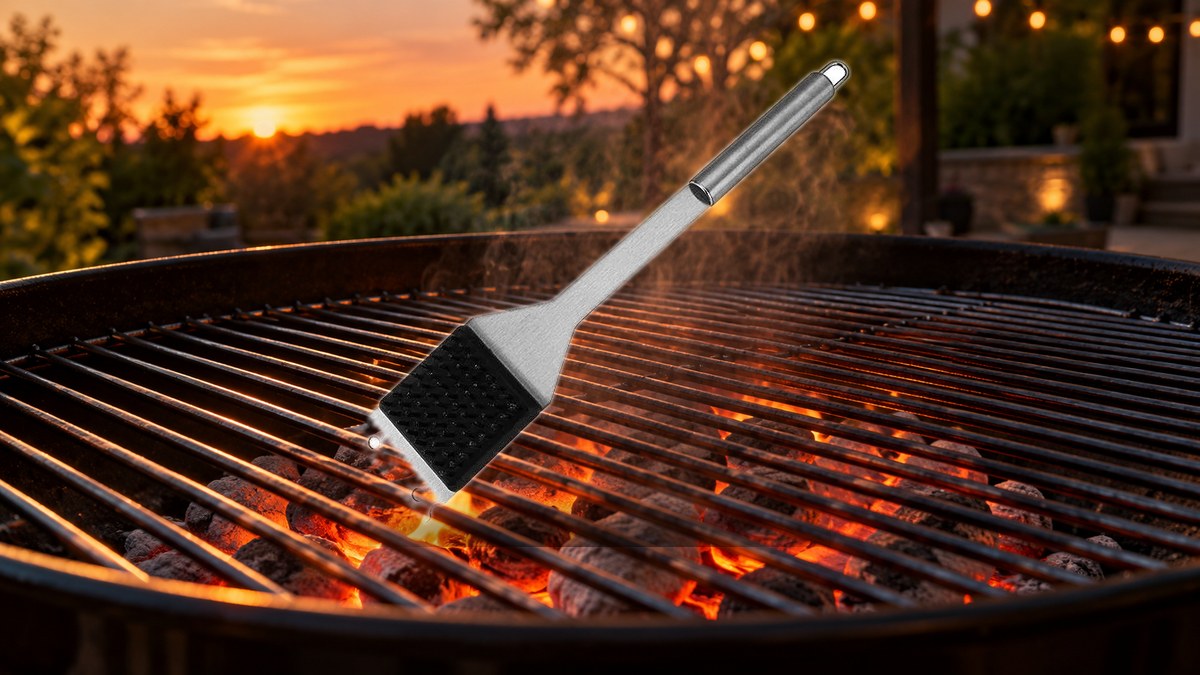
The same qualities that make the scraper a bench tool make it a griddle tool. On a flat-top, a plancha or a griddle surface, the flat stainless blade slides under baked-on residue and lifts it away, which is why scrapers have long been standard kit in commercial kitchens. For outdoor-cooking retailers, that second life matters commercially: one SKU can be merchandised beside pizza stones and peels for the baking customer, and beside BBQ tool sets for the grilling customer. Listings and packaging copy can carry both stories — bakery bench on one side, griddle cleaning on the other — without changing anything about the product itself.
A Small SKU That Carries Its Weight in the Catalog
For buyers, the scraper's commercial profile is as attractive as its function:
Freight efficiency.At 170 g and completely flat, scrapers pack dense and ship cheap — dimensional weight stays low even in retail-ready packaging.
Durability.Stainless steel construction means few quality claims and low return rates for e-commerce sellers.
Cross-sell placement.The scraper completes pizza tool sets, sits naturally next to peels and stones, and fills out BBQ accessory lines.
Bundling potential.It is the classic add-on item that lifts average order value without adding meaningful weight or cost to a shipment.
Few SKUs in the kitchen tools category combine a low unit cost with this many listing angles, which is why we recommend it as a staple rather than a seasonal item.
What to Confirm Before You Order
Before committing to a scraper program, close four points with your supplier:
Material and thickness in writing— 430 stainless steel at 1.0 mm is the general-purpose benchmark build.
Food-contact certification per model— FDA, LFGB or both, with the certificate referenced to the exact SKU.
OEM options— custom blade sizes, laser logos and retail-ready packaging to match your brand and channel.
Samples and lead time— confirm the product in hand before committing to a season; standard OEM production runs 20–35 days.
Talk to Evermark Living
Evermark Living supplies stainless steel dough and bench scrapers — including the 430 SS, 1.0 mm EML-DC-S-001 — with FDA/LFGB-certified models, low MOQs, and custom logo, size and packaging options for B2B buyers.Request a sample or ask for the kitchen-tools catalogthrough our contact page, or email info@evermark-living.com — tell us your market and channel, and we will show you how the scraper fits alongside your existing pizza and BBQ lines.